
Common access problems for West Kensington removal jobs
Posted on 17/06/2026
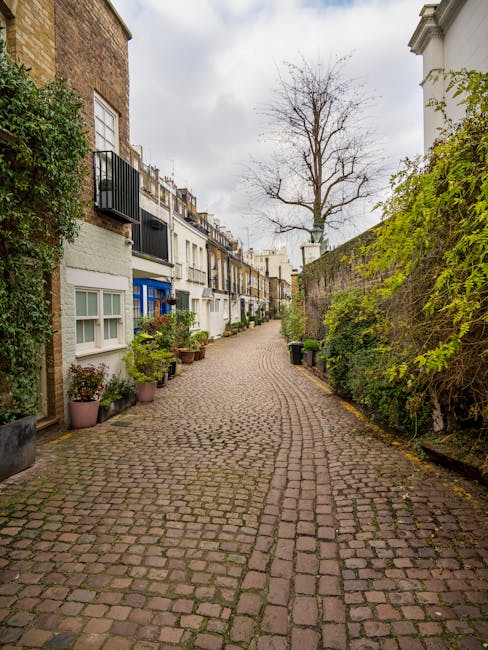
If you have ever tried to move a sofa through a tight hallway, waited for a parking space that never appeared, or watched a van sit awkwardly across a narrow street while neighbours try to squeeze past, you already know the kind of headache this article is about. Common access problems for West Kensington removal jobs are not dramatic in themselves, but they can slow everything down, raise stress levels, and turn a straightforward move into a messy one. In West Kensington, access issues often come down to a mix of parking, building layout, stairs, lift use, timing, and busy local streets. The good news? Most of them can be handled with a bit of planning.
In this guide, we will break down the real-world access problems people run into, why they matter, how removal teams usually work around them, and what you can do before moving day to save time and energy. It is practical, local, and written for anyone who wants fewer surprises on the day. Let's face it: nobody wants the first thing they carry to be a bad mood.
Why Common access problems for West Kensington removal jobs Matters
Access is one of those things people tend to underestimate until the van is outside and the clock is ticking. In West Kensington, that can be a costly mistake. A removal job may be perfectly organised on paper, but if the team cannot stop close to the property, cannot get bulky items out through the front door, or has to carry everything up several flights of stairs, the move becomes slower and more physically demanding.
That matters for several reasons. First, time. Longer carrying distances and awkward building access usually mean the job takes more time. Second, safety. Tight corners, steep stairwells, heavy furniture and no-loading zones increase the chance of damage to property or injury to people. Third, cost control. Even when a removal team is experienced and fair, access issues can affect labour time and vehicle positioning. If you have booked a man with a van service, this kind of detail can make a big difference to how smoothly the day runs.
West Kensington is not impossible to move in. Not at all. But it is a part of London where you really do need to think ahead. The streets can be busy, some buildings are older with narrow entrances, and many flats were never designed with modern furniture or large appliances in mind. One small oversight - a missing parking space, a lift that is too small, a door frame that is just a touch too tight - can slow the whole chain of events.
For anyone comparing options, it can also help to read about the wider range of removal services available in West Kensington so you can match the job to the access conditions, rather than trying to force a one-size-fits-all approach.
How Common access problems for West Kensington removal jobs Works
In practical terms, access planning starts with three questions: where can the vehicle stop, how far is the carry from van to property, and what route will items take out of the building? Once those are clear, the rest becomes much easier to manage.
Removal crews usually look at the access situation in layers. First comes the street itself. Is there controlled parking, yellow lines, a narrow turning point, or a loading restriction? Then comes the property entrance. Is there a front step, a narrow hallway, intercom entry, security door, or a basement staircase? After that, the internal route matters: lifts, stairwells, shared corridors, floor protection, and any awkward bends or low ceilings.
This is especially relevant for flat moves, because flats in West Kensington often involve shared entrances, limited parking, and multiple flights of stairs. If your move is apartment-based, it is worth looking at flat removals in West Kensington as a separate planning exercise, not just as a standard house move with a different postcode.
Access issues also affect how a job is staffed and loaded. For example, if the van cannot park directly outside, the team may need extra hands or a second trip. If a wardrobe must be dismantled before it can pass through a hallway, that needs to be known before the day begins. And if you have an office or commercial move, the access plan becomes even more important because desks, filing cabinets, and IT equipment do not forgive sloppy planning. There is a reason people look into office removals in West Kensington with a good amount of caution.
Truth be told, most access problems are not dramatic. They are just fiddly. Fiddly is enough.
Key Benefits and Practical Advantages
Planning access properly gives you more than convenience. It gives you control. And on moving day, control is worth a lot.
- Less time wasted: The team can go straight to work instead of improvising around obstacles.
- Lower risk of damage: Clear routes reduce knocks to walls, bannisters, doors and furniture.
- Better vehicle positioning: The van can be placed where loading and unloading are safest and quickest.
- More accurate quoting: If the access situation is understood early, estimates are usually more realistic.
- Less physical strain: Shorter carries and sensible routes make the day easier for everyone involved.
There is also a confidence benefit that people often overlook. When you know the parking plan, the stair route, and the likely pinch points, the move feels less like a gamble. That matters if you are juggling children, work, handover times, or a tight property completion schedule. A calm move is usually a better move. Simple as that.
If you are comparing prices, don't just look at the headline figure. Access can influence how long a job takes and what kind of vehicle or manpower is needed. For a clearer picture of what affects the final cost, take a look at man and van rates and the broader pricing and quotes information.
And if the move involves fragile or high-value items, good access planning helps protect them too. That includes awkward pieces like pianos, where the route matters just as much as the lifting technique. In that situation, you would want proper specialist handling such as piano removals in West Kensington.
Who This Is For and When It Makes Sense
This advice is relevant to more people than you might think. If your move involves one heavy item and a narrow stairwell, you need it. If you are moving a full family house with road restrictions, you need it even more.
It is especially useful for:
- Flat residents moving in or out of older buildings
- Students moving with limited time and lots of boxed-up stuff
- Families moving bulky furniture or prams through tight spaces
- Office teams relocating from shared commercial buildings
- Anyone booking a same-day or short-notice move
- People storing items temporarily before final delivery
If you are a student, access issues are often underestimated because the load may seem small. But student moves can still be awkward when there are top-floor flats, no lift, and a van parked two streets away. That is why student removals in West Kensington are best approached with proper timing and realistic expectations.
It also makes sense for anyone moving into or out of a house with a driveway, side return, or shared access lane. Even where parking looks easy, the internal route can still trip you up. Old terraced layouts, for example, can hide narrow hallways, steep steps, or oddly positioned doors. West Kensington has plenty of character - and sometimes character means an extra bend in the staircase.
If you are still deciding whether to use a dedicated removals team or a lighter man-and-van setup, the right answer depends on access, item size, and how much help you want on the day. A broad overview of removal services in West Kensington can help you think through the options more clearly.
Step-by-Step Guidance
Here is the simplest way to handle access problems before they become moving-day problems.
- Walk the route from van to room. Start outside and physically trace the path items will take. Note steps, turns, tight door frames and any low-hanging obstacles.
- Measure the awkward stuff. Sofas, wardrobes, beds, fridges and washing machines are the usual suspects. Measure height, width and depth. Don't guess. Guessing is where trouble begins.
- Check parking properly. Look at where a van can actually stop, not where you hope it will stop. Consider permit areas, loading bays and busy commuter times. For local guidance, parking permit advice for W14 moves is a useful point of reference.
- Ask about lift size and availability. Lifts can be small, slow, shared, or booked in advance. Sometimes they are technically there but useless for larger items.
- Decide what needs dismantling. Flat-pack furniture is one thing; a big wardrobe in one piece is another. Decide early and keep tools ready.
- Protect shared areas. Corridors, stair rails and entrance halls are often the first things to suffer when people rush. Blankets, covers and careful lifting help a lot.
- Confirm timing with everyone involved. If the building has a concierge, booking slot or limited access window, make sure it is confirmed in advance.
- Share the details with the removal team. The more precise the information, the better the plan. Mention everything from road width to whether the front door sticks when it rains.
In our experience, the jobs that go best are not always the easiest-looking ones. They are the ones where the access details are shared early and honestly. No drama, no last-minute surprises, just proper preparation.
Expert Tips for Better Results
Access planning gets much easier once you know what removal crews actually look for. A few small adjustments can make a surprisingly big difference.
1. Treat the van stop as part of the route
People often think of the vehicle as separate from the property, but it is really the first room in the move. If the van is too far away, every item has to travel further. That adds time and fatigue. If there is a better loading point on the same street, use it.
2. Clear the path before the crew arrives
It sounds obvious, but it is worth saying. Shoes in hallways, recycling bags by the door, bikes in shared entrances, and loose mats all create delay. A clean route is safer and faster. A bit boring, yes. Very effective too.
3. Don't forget the awkward weather factor
Rain changes everything. Cardboard softens, stairs get slippery, and people move slower when they are carrying heavy items in damp clothes. A dry morning in summer is one thing; a grey November afternoon is another. West Kensington can be busy enough without everyone tiptoeing over wet paving.
4. Use storage when access is temporarily impossible
Sometimes the issue is not the move itself but the timing. Completion delays, renovation work, or a building with restricted access can make same-day delivery awkward. In those cases, a short-term holding plan can reduce pressure. If that sounds familiar, consider storage in West Kensington as part of the move plan.
5. Be realistic about one-person handling
A man-and-van setup is efficient for many jobs, but there are limits. If the route involves stairs, long carries or multiple large items, a single helper may not be enough. That is where discussing man and a van in West Kensington versus a larger crew becomes useful.
A small aside: the best movers are usually not the loudest ones. They are the calm ones with a tape measure and decent shoes.
![A blue bicycle with a front black mesh basket is locked to a black metal fence outside a row of white terraced houses in West Kensington. The fence features pointed finials and separates the pavement from the steps leading up to the residential entrances. The pavement is paved with large, irregular stone slabs, some showing signs of moss or dirt in the joints. Several black bollards are positioned along the edge of the pavement, and a few of the house entrances have white steps with black railings. The buildings have black wrought iron balconies and traditional street lamps attached to the walls. The scene appears to be during daylight with natural lighting, emphasizing the traditional urban setting. This image relates to house removal and moving logistics, such as the typical obstacles faced when relocating and accessing properties in the West Kensington area, which [COMPANY_NAME], such as [DOMAIN], can assist with during house removal or furniture transport services.](/pub/blogphoto/common-access-problems-for-west-kensington-removal-jobs2.jpg)
Common Mistakes to Avoid
Most access problems are preventable, but only if you avoid the classic traps.
- Assuming parking will "work itself out". It often doesn't.
- Forgetting about internal stairs. A flat may look manageable until you see the stairwell.
- Not measuring large furniture. That old wardrobe may be the villain of the piece.
- Leaving boxes in communal hallways. This can create delays and safety issues.
- Booking the wrong vehicle size. Too small means extra trips; too big can create parking trouble.
- Not warning about access restrictions. Delivery windows, concierge rules, and lift reservations matter.
- Overpacking boxes. Heavy boxes are much harder to carry through staircases and tight corners.
One particularly common mistake is underestimating how long it takes to move items through a building with shared access. Even if the job seems "small", a couple of awkward pieces can take longer than a whole trolley of lighter boxes. That is why it helps to be honest about the real scale of the move, even if the truth is a little inconvenient.
Another issue is using the wrong type of service altogether. A simple drop-off job, a full household move, and a specialist furniture move are not all the same thing. The more precise you are, the smoother it gets. If you are still weighing the right fit, reviewing removal companies in West Kensington can help you compare approaches.
Tools, Resources and Recommendations
You do not need a truckload of kit to deal with access problems, but a few practical tools make life easier.
- Tape measure: Essential for checking furniture and door widths.
- Notebook or phone notes: Keep a simple list of stairs, parking details and special instructions.
- Furniture blankets and covers: Useful for protecting walls, banisters and delicate finishes.
- Basic tools: Screwdrivers, Allen keys and a small hammer can save time with beds and flat-pack pieces.
- Labelled boxes: Helps the team place items quickly without blocking corridors.
- Floor protection: Particularly useful in shared halls or recently decorated properties.
For planning purposes, it also helps to read the move-related information already available on the site. If you are assembling a wider moving plan, the page on packing and boxes in West Kensington can help you think through how to prepare items before collection. And if you are moving a full home, house removals in West Kensington may be the more appropriate route.
When in doubt, take photos of the entrance, staircase, parking bay and any awkward corners. A couple of quick pictures sent ahead can save a surprising amount of guesswork. It is not fancy, but it works. Really, it does.
Law, Compliance, Standards, or Best Practice
Access problems are not only a logistics issue; they can touch on safety and property responsibilities too. While this article is not legal advice, there are a few sensible UK best-practice points to keep in mind.
First, parking and loading should be handled lawfully and with consideration for local restrictions. If a van blocks traffic or stops in a prohibited place, the move can quickly become stressful and potentially expensive. Second, shared buildings often have their own rules about lifts, service entrances, floor protection and moving times. If a building manager or concierge has a procedure, follow it. That is usually the simplest path anyway.
Third, removal teams should work in line with sensible health and safety practice: clear walkways, safe lifting, suitable footwear, and no unnecessary rushing. The same applies to customers helping on the day. Heavy lifting through a tight staircase is exactly the kind of job where taking an extra minute is the smarter move.
For service expectations, it is also wise to review the company's own policies before booking. Pages such as health and safety policy, insurance and safety, and terms and conditions are the sort of documents that tell you how a business handles risk, responsibility and service limits.
If you have accessibility-related needs, the move should be planned around them, not the other way round. Building access, safe entry points, and realistic carrying distances matter a great deal. In those cases, it is sensible to review the company's accessibility statement and speak clearly about what support is needed before the job is accepted.
And if you are concerned about payment handling, quote clarity or service terms, checking payment and security and complaints procedure is a sensible bit of due diligence. Not glamorous. Very useful.
Options, Methods, or Comparison Table
Different access problems call for different solutions. Here is a simple comparison that can help you choose the right approach.
| Access situation | Best approach | Why it helps |
|---|---|---|
| Short carry, easy parking | Standard man and van | Fast loading, lower friction, usually the simplest option |
| No parking directly outside | Pre-booked loading plan and extra time allowance | Reduces stress and avoids rushed carrying |
| Top-floor flat with no lift | More helpers or a dedicated flat move setup | Makes stairs safer and speeds up the job |
| Bulky furniture or fragile items | Specialist handling and dismantling | Protects both the item and the building |
| Delayed handover or restricted access | Temporary storage | Removes the pressure of same-day delivery |
| Urgent move with limited notice | Same-day removal support | Useful when timing matters more than perfect planning |
If your move has a particularly tight schedule, a same-day removals service in West Kensington may be the right fit. If it is a smaller job with a straightforward route, a lighter setup such as man and van West Kensington may be enough. The point is not to overcomplicate it; the point is to match the method to the access conditions.
Case Study or Real-World Example
Here is a typical example, kept general on purpose. A couple moved out of a second-floor flat in West Kensington on a weekday morning. The address itself was fine, but there were three access complications: no direct parking outside, a narrow shared staircase, and a sofa that looked manageable until it reached the landing. Classic, really.
Before moving day, they measured the sofa, checked the stair width, and sent photos of the entrance and street to the removal team. They also made sure boxes were stacked neatly inside the flat rather than in the hallway. That meant the crew arrived with the right expectation: the job would take a little longer than a simple ground-floor pickup, but not nearly as long as it would have if they had discovered the problems on the spot.
Because the route had been planned properly, the team parked at the best available point, used protective covers on the main touchpoints, and got the sofa out with a small amount of careful manoeuvring rather than a lot of trial and error. Nothing heroic. Just competent, calm work. The kind that makes the whole day feel less like a scramble.
If that sounds familiar, it is because many West Kensington moves follow the same pattern: the property is not impossible, it just needs a bit of respect. And maybe a tape measure.

Practical Checklist
Use this before your move. It is simple, but it covers the important bits.
- Confirm the exact moving date and access window
- Check whether a parking permit or loading bay is needed
- Measure large furniture and appliances
- Inspect staircases, lifts and tight corners
- Ask about concierge rules or building restrictions
- Clear communal hallways and entrance routes
- Label items that need special handling
- Take photos of the street, entrance and internal route
- Tell the removal team about any fragile or oversized items
- Decide early if anything needs dismantling or storage
- Keep essentials separate so they are not buried under boxes
Quick summary: the less the crew has to guess, the better the job tends to go. Access information is not a nice-to-have; it is part of the moving plan.
Get a free quote today and see how much you can save.
Conclusion
Access problems are one of the most common reasons removal jobs in West Kensington become slower, harder, or more expensive than expected. But they are also among the easiest problems to reduce with proper preparation. Parking, stairs, lift size, corridor space, and building rules all matter. So do honest measurements and clear communication.
If you take one thing away from this article, let it be this: do not wait until moving day to think about the route. Walk it, measure it, picture it in your head, and share the details early. That single habit can save hours of stress and a fair bit of heavy sighing.
West Kensington moves can go smoothly. They really can. When access is planned well, the whole day feels steadier, calmer, and much more manageable. That is usually what people want, after all - not perfection, just a move that gets done properly and with less fuss than expected.


