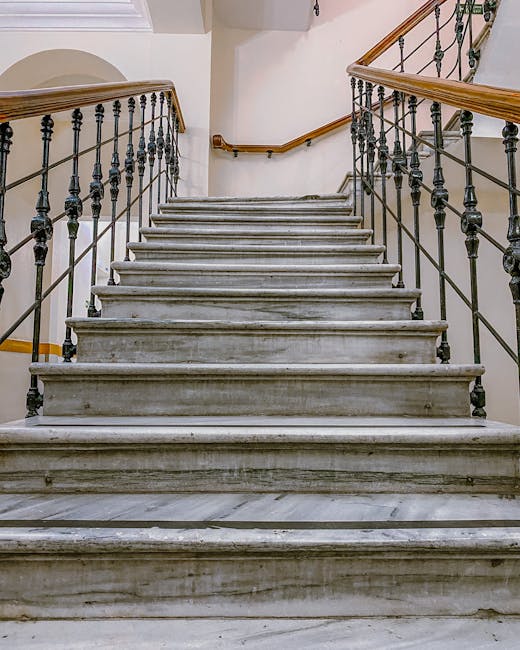
Earl Court removal service tight stair and lift tips
Moving in Earl Court can be a bit of a squeeze, and that is putting it politely. Tight stairwells, narrow lift doors, awkward corners, low ceilings, and the occasional "how on earth did this sofa get in here?" moment can turn a normal move into a careful puzzle. If you are looking for Earl Court removal service tight stair and lift tips, you probably need more than generic moving advice. You need practical, local, real-world guidance that helps you get furniture out safely, protects the building, and keeps the day moving without drama.
This guide walks through how to plan for restricted access, what removal teams actually do on the day, which mistakes cause the most stress, and when it makes sense to book professional help. It also includes a checklist, a comparison table, and a proper FAQ section so you can make decisions with a clear head. To be fair, a lot of moving problems in Earl Court are avoidable if you plan the route properly before the first box is lifted.
Table of Contents
- Why Earl Court removal service tight stair and lift tips Matters
- How Earl Court removal service tight stair and lift tips Works
- Key Benefits and Practical Advantages
- Who This Is For and When It Makes Sense
- Step-by-Step Guidance
- Expert Tips for Better Results
- Common Mistakes to Avoid
- Tools, Resources and Recommendations
- Law, Compliance, Standards, or Best Practice
- Options, Methods, or Comparison Table
- Case Study or Real-World Example
- Practical Checklist
- Conclusion
- Frequently Asked Questions
Why Earl Court removal service tight stair and lift tips Matters
Earl Court properties often come with the kind of access problems that only reveal themselves on moving day. Maybe the lift is small and slow. Maybe the stairwell bends twice before reaching your flat. Maybe the hallway is shared, the landing is narrow, and the item you need to move is just a touch too large for comfort. That is exactly why tight stair and lift planning matters.
A removal is not only about physical strength. It is about route planning, timing, protection, and not getting trapped halfway through a doorway with a wardrobe. A well-prepared move reduces damage to walls, furniture, and flooring, and it also lowers the risk of injury. In a busy building, that matters even more because neighbours, staff, and delivery traffic can complicate things quickly.
In practical terms, this topic matters because access problems can affect:
- how many people are needed on the job
- whether a lift can be used at all
- how items should be wrapped or dismantled
- how long the move will take
- whether permits, parking, or building notices are needed
If you are moving from a flat, studio, or townhouse in the area, it helps to think of the job as a route-management exercise, not just a lifting exercise. That shift in thinking saves a lot of hassle.
For a wider look at moving support in the area, you may also find the removals in West Kensington page useful, especially if your move involves more than just a few bulky pieces.
How Earl Court removal service tight stair and lift tips Works
The basic process is simple: measure, plan, protect, move, and check. In reality, each stage has a few small decisions that make a big difference. A removal team dealing with tight stairs or a small lift will usually start by understanding the property layout before moving day. That includes stair widths, lift dimensions, turns in the corridor, ceiling height, and any restrictions on lift use.
Once the access route is known, the team can decide whether items should be moved upright, tilted, or dismantled. Large wardrobes, beds, sofas, and white goods often need special handling. If the lift is usable, the crew may reserve it for a time slot and protect it with covers. If the lift is too small or unreliable, the stairs become the main route, and that changes the pacing and staffing.
On the day itself, a good crew will usually:
- assess the item and the route before lifting
- remove loose parts such as shelves, cushions, or legs
- wrap surfaces that may scrape paintwork or metal edges
- communicate clearly at corners and landings
- pause if the route becomes unsafe or blocked
That last point sounds obvious, but it is worth saying. If the route feels wrong, it probably is wrong. A small adjustment at the start is much better than a chipped wall or a strained back later.
If you want an overview of the service options available, the services we provide page is a sensible next stop, and for smaller jobs the man with a van service can be a practical fit.
Key Benefits and Practical Advantages
Good planning for tight stairs and lifts does more than keep the move on schedule. It gives you a calmer, cleaner, safer process. That might sound a little neat on paper, but on a moving morning, calm is worth a lot.
Here are the main benefits.
- Less damage: careful route planning reduces knocks to bannisters, walls, door frames, and lift interiors.
- Safer handling: awkward items are less likely to twist unexpectedly or slip during a turn.
- Faster progress: when crews know the route, they waste less time re-trying impossible angles.
- Better building relations: shared areas stay tidier and neighbours are less likely to be inconvenienced.
- More accurate quotes: the more the access is understood in advance, the fewer nasty surprises later.
There is also a quieter benefit: confidence. You know the sofa will probably fit, the fridge is likely manageable, and the lift situation has been thought through. That reduces the mental load, which on moving day is no small thing.
For a clearer idea of how the wider moving process is priced, have a look at the man with van rates page. If your move involves furniture that needs extra care, the furniture removals service page may also help you judge what kind of support is sensible.
Who This Is For and When It Makes Sense
This kind of planning is useful for anyone moving from a property with limited access, but it is especially relevant if you are in a higher-floor flat, a converted building, or a place where the lift looks generous until you actually try to use it. That happens more often than people expect.
You will probably benefit from tight stair and lift planning if you are:
- moving from a flat with a narrow internal staircase
- relocating a family home with awkward furniture
- moving an office into or out of a building with lift restrictions
- handling a same-day move with little margin for error
- transporting delicate or heavy items like mirrors, pianos, or cabinets
It also makes sense if you are not sure whether you will be allowed to use the lift for removals. Some buildings have quiet time rules, booking systems, or management instructions that need to be followed. Nothing dramatic, just the normal stuff that can derail a move if you ignore it.
Students, flat-sharers, and short-term renters often find themselves in the trickiest buildings, truth be told. If that sounds familiar, the student removals service can be a useful reference for smaller but still awkward moves. For flats specifically, the flat removals page is worth a look too.
Step-by-Step Guidance
Here is the simplest way to approach a move when stairs are tight and the lift is tiny, slow, or both.
1. Measure the real route, not just the room
Door widths are only the beginning. Measure the lift opening, internal lift depth, stair width at the narrowest point, landing space, and any awkward bends. A chair may fit in a room doorway but fail at the stair turn. The route matters more than the final room.
2. Identify the biggest problem items first
Start with the bulky pieces: sofas, mattresses, wardrobes, bed frames, desks, and appliances. These are the items most likely to need dismantling or alternate handling. If they can move cleanly, the rest of the day usually feels a lot easier.
3. Decide what should be dismantled
Disassembly can be a smart move. Removing table legs, bed bases, shelving, or doors often turns a near-impossible item into an ordinary one. Keep screws, brackets, and fittings in labelled bags. It sounds basic, but people still lose them in the chaos. Every week, probably.
4. Protect the route before anything is moved
Use floor coverings, door guards, and lift protection where needed. In shared buildings, this is not just about courtesy. It is often the difference between a smooth exit and a complaint from the next flat down the hall.
5. Plan lift use carefully
If the lift is permitted for removals, decide who will control it, how long it is needed, and what can go in it safely. Never overload it. If the item feels like a squeeze, it usually deserves a second look. And if the lift is old or temperamental, treat it with extra caution.
6. Keep communication simple and clear
One person should call the shots at corners and lifts. Too many voices can create hesitation, which is exactly what you do not want when carrying something large. Clear, calm directions work best. Short instructions, no fuss.
7. Do a final check before leaving
Check the property, the lift area, the stairwell, and any storage spots. It is easy to leave behind a box of cables, a shelf bracket, or the kettle bag. Happens all the time, honestly.
Expert Tips for Better Results
A few small details can change the whole experience. These are the sorts of things a seasoned mover notices quickly, especially in restricted-access buildings.
Use lifting straps and gloves where appropriate
Lifting straps can improve grip and reduce strain, but only if the team knows how to use them properly. Gloves are also useful for grip and protection. Neither is a substitute for good technique. They help, they do not magic away a bad plan.
Wrap furniture to prevent snagging
Soft wrapping is especially useful on narrow stairs, where even a small protruding corner can catch a wall or rail. Blankets, corner protectors, and stretch wrap all have a role here.
Move at the pace of the route
Trying to rush is where most scrapes happen. A stairwell with a sharp turn needs controlled movement, not momentum. Slow is not always slow in practice; it often ends up being faster because nothing gets stuck.
Book the move around building traffic
If you can, avoid the busiest times in the building. School-run hours, late morning parcel deliveries, and evening return traffic can all create bottlenecks. A quieter slot gives everyone more room to breathe.
Take photos before dismantling items
Quick photos of furniture assembly can save you a lot of head-scratching later. A five-second picture of a bracket or cable layout can be very handy at the other end.
Ask about access before you book
If you are using a provider for a more involved move, make sure they know about the stairs and lift in advance. A professional removal team can advise on vehicle size, crew numbers, and whether the job needs extra time or same-day support. If timing is tight, the same-day removals page explains the kind of flexibility that may help when plans shift at short notice.
One small aside: if a stairwell looks fine in daylight but becomes oddly dim after 6pm, that matters. Shadows make corners feel tighter, and people judge depth badly in poor light. Not dramatic, just real.
Common Mistakes to Avoid
Most moving headaches in tight buildings come from a handful of avoidable mistakes. Here are the big ones.
- Not measuring large items properly: guesses are risky. Measure height, width, and depth, plus the diagonal if needed.
- Forgetting lift restrictions: some buildings require booking, padding, or limited usage windows.
- Keeping furniture fully assembled: if a bed or wardrobe can be dismantled, it often should be.
- Ignoring the landing space: the tricky part may not be the staircase itself but the turn at the top.
- Overpacking boxes: heavy boxes become dangerous on stairs very quickly.
- Leaving access details until the last minute: this is the fastest route to a stressful day.
Another common one is assuming the lift will "just be fine." Sometimes it will. Sometimes it will be too shallow, too narrow, or too slow to be practical. Better to find that out before the van arrives. Saves a lot of muttering under your breath.
Tools, Resources and Recommendations
You do not need a warehouse of equipment, but a few well-chosen tools make a tight-access move much easier.
| Tool or resource | Why it helps | Best use |
|---|---|---|
| Measuring tape | Confirms item and route dimensions | Before booking and before moving day |
| Furniture blankets | Reduces scuffs and friction | Stairs, corners, lift walls |
| Corner protectors | Protects walls and item edges | Sharp turns and narrow hallways |
| Labelled bags for fittings | Keeps screws and parts together | Dismantled furniture |
| Floor coverings | Helps protect shared flooring | Entrances, corridors, lift lobbies |
For broader packing support, the packing and boxes page can help you think through the right materials. If you are not sure whether the move needs a van-only solution or something more structured, the man and van in West Kensington page is a helpful comparison point.
If you are transporting especially awkward household items, such as tall bookcases or delicate pieces, the services overview page gives a useful sense of the wider support available.
Law, Compliance, Standards, or Best Practice
For removals in tight buildings, the most relevant guidance is usually practical rather than legal. Still, there are a few standards and duties worth keeping in mind.
First, health and safety matters. Anyone carrying heavy or awkward items should use sensible lifting technique, avoid overexertion, and stop if a move becomes unsafe. That is standard good practice, and it applies even on small domestic jobs. Building managers may also have their own rules around lift use, floor protection, booking slots, and noise.
Second, access must be handled with care in shared spaces. Corridors, lifts, and stairwells are communal areas in many buildings, so it is best practice to keep them clear, protected, and left tidy. If you are moving out of a managed property, following the building's moving instructions is usually the path of least resistance. And honestly, the easiest path is often the smartest one.
Third, insurance and safety should be checked before moving fragile or high-value items. If you are unsure about cover, ask the provider how they handle damage, handling risk, and claims. A reputable company should be comfortable discussing this clearly. The insurance and safety page is a good place to understand the expected approach.
Finally, if your move involves a larger service arrangement, it is sensible to review the provider's terms and conditions and payment and security information before booking. It is not exciting reading, granted, but it does help avoid misunderstandings.
Options, Methods, or Comparison Table
There is more than one way to handle a move with tight stairs and a lift that is either small or unreliable. The right method depends on the item, the building, and how much time you have.
| Method | Best for | Pros | Trade-offs |
|---|---|---|---|
| Use the lift with protection | Medium furniture, boxed items, short distance | Less physical strain, cleaner route | May be slow or restricted by building rules |
| Stair carry with a small crew | Items that are light enough but awkward | Works when lift space is limited | Needs careful coordination and good technique |
| Dismantle and reassemble | Large wardrobes, beds, desks | Often the safest route through tight access | Takes extra time and organisation |
| Use a specialist removal service | Bulky, fragile, or high-value items | More expertise, lower risk of damage | Costs more than a very basic DIY move |
For larger household moves, the house removals page may be more relevant. For big pieces of furniture alone, the specialist furniture removal service is often the better fit. And if your move is one of those "we need it done today" situations, same-day support may be the answer rather than trying to piece it together yourself.
Case Study or Real-World Example
Here is a realistic example from the sort of move people in Earl Court often deal with.
A one-bedroom flat on an upper floor has a narrow lift that will take boxes, a chair, and smaller appliances, but not a large wardrobe in one piece. The stairwell has a turn halfway up, with a fairly tight landing and a handrail that eats into the available width. The tenant wants the move done in one afternoon, which is fair enough; nobody enjoys living out of boxes for days.
The practical approach is straightforward:
- measure the wardrobe and the stair route
- remove doors, shelves, and fittings
- wrap the panels before carrying them
- use the lift for boxes and lighter items
- carry the dismantled wardrobe parts upstairs with two people guiding the corners
In this kind of move, the lift is not the whole answer. It is part of the plan. The stairs handle what the lift cannot, and the furniture is adapted to the building rather than forcing the building to do something it cannot really do. That small shift saves time and stress. Usually a lot of both.
If the building were even tighter, or if the wardrobe were a one-piece antique or unusually heavy item, a specialist arrangement would make more sense. That is where careful quoting and advance discussion matter. If you need to ask a few questions before deciding, getting in touch directly is the simplest route.
Practical Checklist
Use this checklist a day or two before the move, and again on the morning itself.
- Measure all large furniture and appliances
- Measure stair width, landings, and lift opening size
- Confirm whether the lift can be used for removals
- Book any building time slots if required
- Protect floors, corners, and lift interiors
- Dismantle large items where sensible
- Label screws, fittings, and small parts
- Pack heavy items into smaller boxes
- Clear hallways and exits before the crew arrives
- Keep essentials separate for quick access after arrival
- Check the route one final time for obstacles
- Walk through the property at the end to make sure nothing is left behind
Expert summary: the safest and smoothest moves in tight Earl Court buildings are almost always the ones that are planned around access first, furniture second. Measure properly, protect the route, and be ready to dismantle anything that looks doubtful. That is the core of it.
Conclusion
Moving in a building with tight stairs and a small lift does not have to be a nightmare. It just needs a different kind of thinking. Once you focus on access, measurement, protection, and route control, the whole thing becomes more manageable. Not easy, maybe, but manageable. And that is usually enough.
The best Earl Court removal service tight stair and lift tips are the ones that keep people calm and furniture intact: measure before lifting, use the lift only when it genuinely helps, dismantle anything awkward, and don't rush corners just to save a minute. In the end, the move goes better when the plan respects the building.
Get a free quote today and see how much you can save.
If you are ready to compare options, a quick look at the pricing and quotes page is a practical next step. A clear quote and a sensible access plan can make a moving day feel a lot less like guesswork, and a lot more like progress.
That bit of peace of mind matters, especially when the stairs are narrow and the lift is not exactly your friend.
Frequently Asked Questions
What is the best way to move furniture in a building with tight stairs?
The best approach is to measure the route first, dismantle bulky items where possible, protect the walls and floors, and move slowly with clear communication. If an item looks awkward, handle it as a special case rather than forcing it through.
Can a lift always be used during a removal?
No, not always. Some lifts are too small, some buildings restrict removals in the lift, and some lifts cannot safely carry heavy items. Always check the building rules and assess the lift size before assuming it will work.
Should I dismantle my bed or wardrobe before moving?
Usually yes, if it makes the item safer to move and easier to fit through the route. Beds, wardrobes, shelving, and tables often move much better in parts. Keep all screws and fittings together in labelled bags.
How do I know if my sofa will fit through the stairwell?
Measure the sofa at its widest point and compare that with the narrowest stair width, the landing turn, and the lift opening if you plan to use it. If you are unsure, ask the removal team to assess it before moving day.
What should I do if the lift is too small for my items?
Use the stairs if the item is manageable, or dismantle it if possible. If neither option is safe, a specialist removal approach may be needed. It is better to plan around the limitation than discover it during the move.
Do removal teams protect stairwells and lift areas?
Good teams usually do, especially in shared buildings. Protection may include blankets, floor coverings, and lift padding. This helps reduce damage and keeps the move more professional.
Is it worth booking a man and van service for a flat move with tight access?
Yes, it can be a sensible option for smaller moves or a limited number of bulky items, especially where access is awkward but the overall load is not huge. A flexible vehicle and a practical crew can make a big difference.
How far in advance should I plan a move with restricted access?
As early as you can, ideally once you know the moving date. That gives you time to measure, check building rules, arrange any lift booking, and choose the right moving service without rushing.
Will a removal company charge more for stairs?
Sometimes, depending on the difficulty, item size, crew required, and the time involved. The most honest answer is that access affects effort, so it can affect price. A clear quote should explain that.
What if I have a very heavy or fragile item like a piano?
Specialist handling is usually the safest choice. Heavy and delicate items need more than ordinary lifting. If that applies to your move, check the dedicated piano removals page or ask for a tailored assessment.
How do I avoid damaging walls on narrow stairs?
Use protective coverings, wrap furniture edges, move slowly, and keep one person guiding the item through turns. Most wall damage happens when people rush or guess the angle. Small pauses help more than people think.
What is the smartest first step if I am still unsure?
Measure the route and talk to a removal provider before moving day. A short conversation can prevent a lot of problems later. If needed, you can also review the wider removal services information before deciding what level of help makes sense.