Commercial Moves in West Kensington
If you are planning commercial moves in West Kensington, you already know that a business relocation is never just about getting items from one building to another. It is about protecting your stock, keeping downtime under control, moving equipment safely, and making sure your staff can get back to work as quickly as possible. In a busy part of London like West Kensington, where offices, shops, studios, cafés, and managed workspaces sit alongside residential streets and period properties, the right moving support can make a real difference.
Whether you are moving a small office, relocating a retail unit, shifting a clinic, or reorganising a shared workspace, the process needs planning, careful handling, and local knowledge. West Kensington has its own practical challenges, from narrow roads and controlled parking to busy nearby routes and buildings with limited lift access. A commercial move here should be organised around those realities, not treated like a generic house move.
Local businesses need a service that is efficient, flexible, and respectful of their time. That means clear scheduling, careful packing, sensible loading plans, and a team that understands how to work around trading hours, building rules, and access restrictions. If you are looking to book a reliable business relocation service or request a quote for an upcoming move, this page explains what to expect and how a local team can help.
Why commercial removals in West Kensington need a local approach

West Kensington is not a one-size-fits-all area. The neighbourhood includes classic mansion blocks, converted terraces, small offices, independent shops, shared workspaces, and commercial premises tucked into mixed-use buildings. Each property type brings different moving requirements. A business on a high street with limited stopping space will need a different plan from a firm in a modern office suite or a practice in a converted building with narrow staircases.
Local knowledge matters because access in this part of London can be tight. Parking restrictions, loading bays, one-way systems, and busy commuter traffic can all affect how a move is carried out. A team familiar with West Kensington, and with nearby areas such as Hammersmith, Earl’s Court, Barons Court, Kensington Olympia, Fulham, and Shepherd’s Bush, is more likely to anticipate these issues and plan around them efficiently.
For business owners and office managers, that planning saves time, reduces stress, and helps keep disruption to staff and customers as low as possible. The best moves are the ones that are carefully staged before a single box is lifted.
Who commercial moving services are for
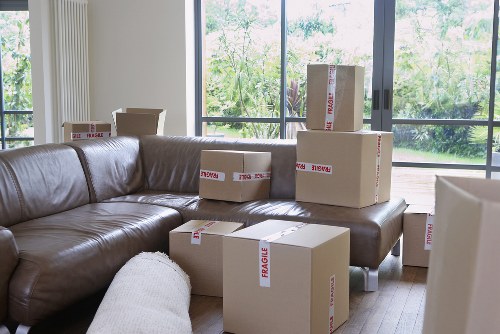
Commercial relocations are not limited to large corporate offices. In West Kensington, many different customers may need help with moving business property safely and efficiently. A good service should be flexible enough to handle both compact moves and more involved relocations.
Typical commercial customers include:
- Offices and co-working spaces moving desks, chairs, IT equipment, filing systems, and meeting room furniture.
- Retail units relocating stock, displays, shelving, tills, and shop fittings.
- Hospitality businesses such as cafés, restaurants, and takeaways moving equipment, furniture, and back-of-house items.
- Medical, therapy, and wellbeing practices handling sensitive equipment, furniture, and records with care.
- Studios and creative spaces transporting specialist gear, props, archive material, and workstations.
- Landlords and managing agents coordinating clearances, fit-out changes, or tenant move-outs.
- Home-based businesses that have outgrown a domestic setup and need a smarter move to a commercial space.
If your business relies on equipment, inventory, or client files, moving day should be structured around protecting those assets. Commercial moves in West Kensington are often about more than transport; they are about continuity.
What is typically included in a commercial move

Every move is different, but a professional service usually covers a range of practical tasks that help keep the relocation organised and secure. The exact support you need will depend on the size of your premises, the type of items being moved, and how quickly you need to get back up and running.
Common elements include:
- Pre-move planning to understand access, timing, item volumes, and any special requirements.
- Packing support using suitable materials for files, equipment, fragile items, and stock.
- Dismantling and reassembly of desks, shelving, workstations, and certain furniture items where needed.
- Careful lifting and loading with attention to corridors, stairways, lifts, and shared building areas.
- Transport and route planning to help avoid unnecessary delay.
- Placement at the new site so equipment and furniture can be positioned where it belongs.
- Optional clearances for unwanted items, packaging waste, or old furniture that should not be taken to the new premises.
Some businesses prefer a full-service move; others only need help with the larger or heavier items. Either way, a reliable team should be able to tailor the job to your needs rather than forcing you into a fixed package.
How the moving process usually works
A good commercial move starts long before moving day. The aim is to reduce disruption, make the schedule realistic, and ensure that everyone knows what needs to happen. For many local businesses, this begins with an assessment of the premises and the items that need to be moved.
Once the key details are clear, the move can be broken down into manageable steps. This often includes deciding whether the relocation should happen outside trading hours, during a quieter business period, or across multiple visits. In West Kensington, where access can be affected by traffic and parking conditions, timing can be just as important as manpower.
On the day itself, the team should arrive prepared, protect the right areas, and move items in an organised order. Good communication is essential, especially if the building has porters, reception staff, shared corridors, or specific moving rules. The best experience is usually the one where the process feels calm, controlled, and efficient.
Step-by-step: what happens before, during, and after the move

Below is a simple overview of how a well-run business move is often handled:
- Initial enquiry: You explain what needs moving, where from, and where to.
- Survey or discussion: Access, timings, and any fragile or specialist items are reviewed.
- Move plan: The route, schedule, and team size are arranged.
- Packing and preparation: Boxes, labels, and protective materials are organised.
- Moving day: Items are safely removed, transported, and placed at the destination.
- Set-up support: Furniture and equipment are put in the right areas to help you restart quickly.
- Final checks: Any remaining concerns are reviewed before the job is signed off.
Practical preparation can make a huge difference to how smoothly the day goes. If your staff know which desks, files, or devices are moving first, the move can be completed more efficiently and with less confusion.
For local businesses in and around West Kensington, this staged approach is especially helpful because it reduces the chance of delays caused by building access, lift scheduling, or traffic outside the premises.
Common challenges for commercial moves in West Kensington
Business relocations in this part of London often come with a few predictable hurdles. Being aware of them early helps you choose the right support and avoid unnecessary setbacks.
One common issue is restricted parking. Vehicles may need to stop briefly for loading only, or they may need to work around controlled zones and local traffic conditions. Another challenge is building access. Many offices and commercial premises sit within older buildings, split-level properties, or mixed-use blocks where corridors, staircases, and lifts are not designed for large-volume moving.
There is also the issue of keeping business disruption low. If you are running a customer-facing operation, you may need the relocation completed before opening hours, after closing, or in planned stages. A local move service should help you think through those logistics so the move does not interfere more than necessary with your trading.
Preparing your business for moving day

Preparation is often the difference between a stressful relocation and a manageable one. If you are arranging commercial moves in West Kensington, taking the time to prepare the premises will help the moving team work faster and protect valuable items.
Here is a practical checklist you can use:
- Back up digital files and make sure important data is stored securely.
- Label boxes clearly by department, room, or priority level.
- Separate fragile, confidential, and high-value items from general packing.
- Notify staff about the schedule and any responsibilities they have on the day.
- Set aside essential equipment that must be available immediately at the new site.
- Clear corridors, entrances, and lift access where possible.
- Check building rules for move times, protective coverings, and loading access.
- Plan where furniture and boxes should go in the new premises before the team arrives.
Even simple preparation steps can save time and money because they reduce the amount of sorting and repositioning needed during the move itself.
If you are moving a retail or hospitality business, it can also help to separate saleable stock from display material, consumables, and packaging. For office moves, having a labelled plan for each department or team can make the re-set much easier once you arrive.
Items that often need special care
Not everything in a business move can be packed the same way. Some items are straightforward, while others need extra care or specific handling. In commercial removals, identifying those items early helps prevent damage and confusion.
Items that commonly need special attention include IT equipment, screens, printers, and servers; office archives and confidential files; fragile retail stock; artwork and framed displays; specialist tools; laboratory or clinical furniture; and bulky items that may need dismantling before they can be moved safely.
Where appropriate, a moving team may recommend protective wrapping, labelled crates, anti-static materials, or a separate plan for sensitive equipment. If your business depends on getting technology back online quickly, it is worth deciding in advance who will disconnect, pack, transport, and reconnect those items. That clarity helps the move run smoothly from start to finish.
Local property types and how they affect the move
West Kensington has a mix of property styles, and each one affects the moving process in a different way. Period buildings can mean narrow staircases and tighter corridors. Purpose-built office spaces may offer better lift access but still require advance booking of service lifts or shared loading areas. Ground-floor retail units can be easier to access but may be subject to busy pavement conditions or short loading windows.
Shared commercial buildings often have specific rules about moving times, protective coverings, and the use of lifts. Managed offices can also require coordination with building staff, reception, or facilities teams. A local moving company used to the area is more likely to ask the right questions before the move begins, which avoids last-minute surprises.
Nearby districts like Hammersmith, Fulham, Kensington, Earl’s Court, and Shepherd’s Bush can present similar conditions, so if your business is moving between West Kensington and one of these areas, local experience can be especially useful.
Pricing factors for commercial moves
While it is not sensible to guess exact prices online, it is useful to know what usually affects the cost of a business move. That way, you can request a more accurate quote and compare options fairly.
Typical pricing factors include the size of the move, how many items need dismantling or special handling, the distance between premises, access at both ends, the number of movers required, whether packing materials are needed, and whether the move must happen outside normal business hours. In West Kensington, access and parking conditions can also influence how long the job takes, which may affect the overall cost.
Clear information gives you a better quote. If you can share floor plans, photos, inventory lists, and timings, you are more likely to receive a realistic estimate. That is helpful whether you are comparing a small office relocation, a retail move, or a larger business transfer.
Why choose a local company for commercial moves in West Kensington
There are real advantages to using a local team rather than a company that is unfamiliar with the area. Local movers often understand the practical side of business relocation in West Kensington, from routes and loading conditions to the type of buildings commonly found nearby.
That can mean faster planning, fewer delays, and more useful advice before moving day. A team that regularly works in surrounding neighbourhoods is more likely to know how to handle the type of streets, parking limitations, and access points that matter in real life. They are also more likely to appreciate the needs of local businesses, which may be balancing customer service, staff schedules, and building restrictions at the same time.
In short, local support can reduce friction at every stage of the move. When time is valuable and disruption needs to stay low, that matters.
Benefits local customers often look for
- Better awareness of access and parking constraints
- More practical timing advice for busy roads and buildings
- Flexible solutions for small and medium-sized business moves
- Support for mixed-use, shared, and older properties
- Clear communication throughout the move
Areas covered around West Kensington
Many customers looking for commercial removals in West Kensington also need help in nearby areas. Businesses often move between neighbourhoods, expand into larger premises, or relocate to places with better access for staff and suppliers.
Common nearby areas include Hammersmith, Barons Court, Earl’s Court, Fulham, Kensington Olympia, Shepherd’s Bush, and other parts of west and central London. If your move includes collection from one area and delivery to another, it helps to work with a team that is comfortable planning across local routes and building types.
Businesses often also need support with additional tasks such as temporary storage, partial moves, internal office reconfiguration, or weekend relocation. A flexible service can help you manage those changes without turning the process into a major disruption.
What types of businesses benefit most from a professional move?
Almost any business can benefit from organised relocation support, but some sectors especially appreciate a structured and careful approach. Offices, clinics, and retail spaces often have tight timeframes and items that must be handled in a specific order. If you are moving sensitive material, customer-facing furniture, or equipment that is costly to replace, a professional service offers peace of mind through better handling and planning.
For smaller businesses, the move can be especially disruptive because there may not be enough staff to pack, lift, and coordinate everything without outside help. For larger businesses, the challenge is often scale: more items, more departments, more deadlines, and more people affected. In both cases, a practical moving plan helps keep everyone aligned.
The real goal is simple: move the business with as little interruption as possible, and arrive ready to work.
Frequently asked questions
How far in advance should I book a commercial move?
It is best to book as early as possible, especially if your move needs to happen at a specific time, outside normal hours, or during a busy period. Early booking gives you more flexibility with scheduling and planning.
Can a move be done outside business hours?
Yes, many businesses prefer early morning, evening, or weekend moves to reduce disruption. This can be particularly useful for customer-facing operations and offices that need to stay productive during the week.
Do I need to pack everything myself?
Not always. Some businesses choose to pack their own files and personal items while leaving larger, fragile, or specialist items to the moving team. The right level of support depends on your timeline and the nature of the items.
Can you help with heavy or awkward items?
Commercial moves often involve bulky desks, filing cabinets, shop fittings, and other items that are not easy to move without the right equipment and technique. A professional team should be able to handle these safely.
What if my building has limited access?
That is common in West Kensington and surrounding areas. Limited access, narrow entrances, lifts, or restricted parking should be discussed early so the move can be planned properly.
Do I need a full move, or can I arrange a partial relocation?
Both options are possible. Some customers only need help with the main office furniture, while others want a full service that includes packing, transport, placement, and clearances. A flexible approach is usually best.
How to get the best result from your move
If you want your relocation to go smoothly, the most important thing is to communicate clearly. Share your priorities, deadlines, access details, and any items that need special treatment. If there are floors, departments, or rooms that should be packed in a certain order, say so early.
It is also worth thinking about your reopening or restart plan. For example, what needs to be ready first? Which staff members need their desks set up immediately? Which equipment must be installed before customers arrive? A move works best when it supports the business schedule, not the other way around.
When you are ready to discuss your relocation, request a free quote, ask about move timing, and explain any access details that may affect the job. If you want a tailored service for your premises, contact us today or book your service now so the move can be planned around your needs.
Final thoughts for West Kensington businesses
Commercial relocation in West Kensington calls for more than a van and a few boxes. It takes planning, care, and local awareness. From office moves and retail relocations to clinic transfers and worksite clearances, the right support helps protect your assets, reduce disruption, and keep your business moving forward.
Whether you are relocating within West Kensington, heading to another part of London, or bringing your business into the area, a properly organised move can make a difficult process feel much more manageable. With the right preparation and a reliable local team, you can approach moving day with confidence and a clear plan.
If you are preparing for a business move and want practical help tailored to your premises, now is the right time to get in touch. Contact us today, request a free quote, or book your service now to start planning your commercial move the right way.